


h89 | Exploring the Diverse World of Simulation Games
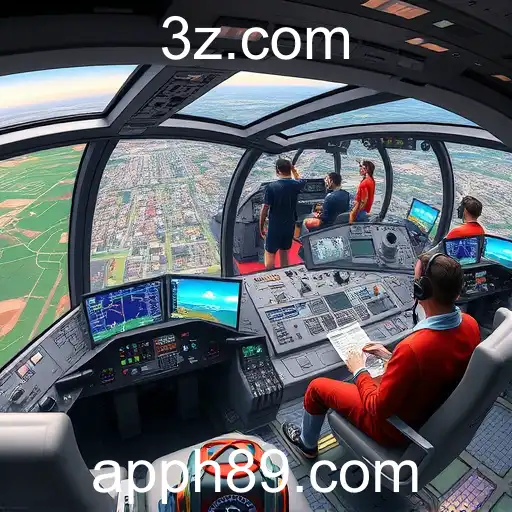
Simulation games, or sim games, have carved out a significant niche within the gaming industry, offering players an escape into meticulously crafted worlds where they can manipulate variables with a high degree of control. These games mirror aspects of the real world, and sometimes fantasy worlds, allowing players to experience everything from flying airplanes to running a virtual city or managing a farm. The appeal of simulation games lies in their ability to offer both entertainment and education, engaging players in a way that challenges their decision-making and strategic thinking skills.
At their core, simulation games are designed to mimic real-life activities. This can range from mundane tasks, such as cooking a meal, to more complex operations like governing a nation. What sets these games apart is their capacity to simulate intricate systems and processes. For instance, a game like 'Flight Simulator' permits players to experience the intricacies of aviation, from handling cockpit controls to navigating challenging weather conditions. Similarly, city-building games like 'SimCity' enable players to plan urban developments, manage resources and address the needs of virtual citizens.
Simulation games are not just about heroic conquests or adrenaline-pumping action but focus significantly on strategy, management, and creative problem-solving. The player often has to balance various elements such as time, money, and resources to achieve desired outcomes, providing a rewarding sense of accomplishment upon success. This genre has a broad appeal because it caters to diverse interests. Whether someone is interested in sports, like in the 'FIFA' series, or wants to explore life scenarios, such as in 'The Sims,' there's likely a simulation game that caters to that interest.
Moreover, simulation games foster educational growth. Many educational institutions have discovered their potential as teaching tools, using them to illustrate complex concepts in an engaging manner. For example, games like 'Kerbal Space Program' introduce players to the basics of physics and engineering, challenging them to design and launch spacecraft. The potential to learn while playing makes these games valuable for players of all ages, creating a unique blend of fun and education.
As technology advances, the simulation genre continues to evolve with more realistic graphics, immersive sound effects, and enhanced AI, which contributes to the authenticity of the virtual environments. The rise of virtual reality has further expanded the possibilities within simulation gaming, providing even more immersive experiences that closely mimic real-life sensations, such as the feeling of flying or the pressure of making quick decisions in high-stakes scenarios.
In conclusion, simulation games represent a versatile and engaging category that has achieved lasting popularity. With their focus on creating vibrant, dynamic realities, sim games provide a sandbox for creativity, education, and entertainment. Whether players wish to explore new hobbies, refine strategic skills, or simply enjoy the gratification of creating and managing complex systems, simulation games offer something for everyone, making them an enduring staple in the gaming landscape.
